booking the right trade show, part 2: how to evaluate timing

introduction
Timing is one of the most important factors when deciding which trade shows to attend. Even a great event can fall flat if it doesn’t align with your business cycle, your team’s availability, or your marketing calendar.
Before you commit, take a step back and consider how the event timing impacts your ability to prepare, execute, and follow up effectively.
how to evaluate trade show timing
does the show overlap with other events?
If two shows happen around the same time, you'll need to prioritize. Can your team manage both with separate staff and displays? Or will you have to choose the one that offers the best return?
Even shows within a couple of weeks of each other can be tricky — especially when it comes to logistics like shipping, staffing, or prepping the booth between events. Don’t stretch your team too thin or compromise the quality of your presence.
does it align with a product or service launch?
If you’re launching something new, a trade show can be the perfect platform to generate buzz. Just make sure your team has capacity. Product launches often require all hands on deck, so think carefully about whether you can afford to send staff away while managing other priorities.
If the timing is right, this can be a powerful way to support your go-to-market strategy.
is this happening during your peak season?
Trade shows take more than just booth hours. Your team needs time to prepare beforehand and follow up afterward, ideally within one to two weeks of the show. If your business is already stretched during your busy season, it may not be worth adding extra pressure unless the opportunity is too good to miss.
Weigh the potential value of exhibiting against the risk of compromising day-to-day operations or lead follow-up.
does it conflict with holidays or vacation schedules?
Most shows avoid major holidays, but it's still worth checking. And if you're exhibiting internationally, national holidays and long weekends might not line up with your home base.
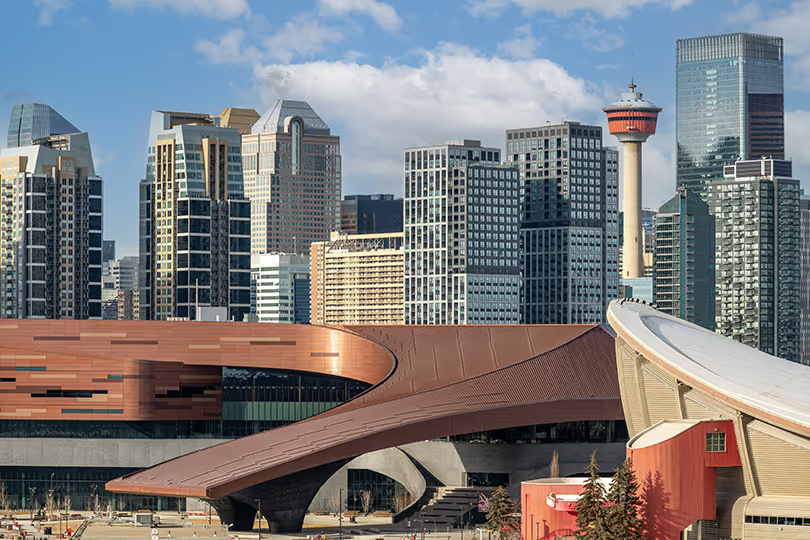
Also consider local events that may impact your business. If you’re based in Calgary, for example, exhibiting in another city during the Calgary Stampede might mean missing valuable networking opportunities at home.
On the staffing side, make sure vacations aren’t going to leave you short-handed before, during, or right after the show. If your sales team is off the grid when it’s time to follow up on leads, you’re missing one of the most critical parts of the event.
does it support a larger marketing campaign?
Trade shows can be a strong addition to a rebrand or major advertising push. If you’re refreshing your identity, launching a new service, or entering a new market, timing a show to align with your campaign can add visibility and momentum.
Just be sure you’re presenting a consistent message across your booth, marketing materials, and team.
final thoughts
When evaluating trade shows, timing should be considered alongside other key factors like audience, format, and ROI. These five questions can help you rule out shows that don’t fit this year, while identifying the ones that align best with your marketing goals and operational readiness.
Still on the fence about an upcoming event? Start with timing. A well-timed show gives your team the best chance to plan effectively, show up with impact, and convert interest into results.
Sign up for more insights like this!

Let’s talk ideas