How Digital Technology Is Transforming Interactive Museum & Interpretive Exhibits
Introduction
Museums have long been places of discovery, preservation, and storytelling. But walk into a modern museum today, and you’ll likely see more digital screens, motion sensors, and hands-on exhibits that invite interaction.
Interactive displays are not new. But, the ways in which technology is transforming them are evolving fast. From immersive augmented reality photo booths to synchronized multimedia installations, museums and interpretive centres are embracing digital tools to deepen engagement and enhance learning.
Here’s how digital innovation is reshaping the visitor experience — and what to consider when designing interactive exhibits that leave a lasting impact.
what are interactive exhibits at museums and interpretive centres?
Interactive exhibits are designed to invite visitor participation. Whether through touch, movement, sound, or visual response. Unlike static displays, they offer a multi-sensory experience that sparks curiosity and personal connection. Interaction may be physical (opening panels, rotating objects) or digital (activating content with touch or motion sensors), but the goal is the same: to make learning memorable and immersive.
key features of effective interactive displays
- Simple navigation: clear and intuitive interfaces for all age groups and abilities.
- Multi-sensory design: visuals, sound, and touch work together to enhance impact.
- Instant feedback: users should see or hear an immediate result from their interaction.
- Accessibility: each to reach, operate, and understand — regardless of mobility or experience.
- Scalable engagement: offers choice without overwhelming visitors.
- Minimal text: visual storytelling takes precedence over reading dense blocks of content.
- Servicable design: built to allow for easy maintenance and tech updates.
what technology powers interactive museum exhibits?
augmented reality (AR)
AR blends digital visuals with the real world, creating immersive overlays that respond to user input.
real world example
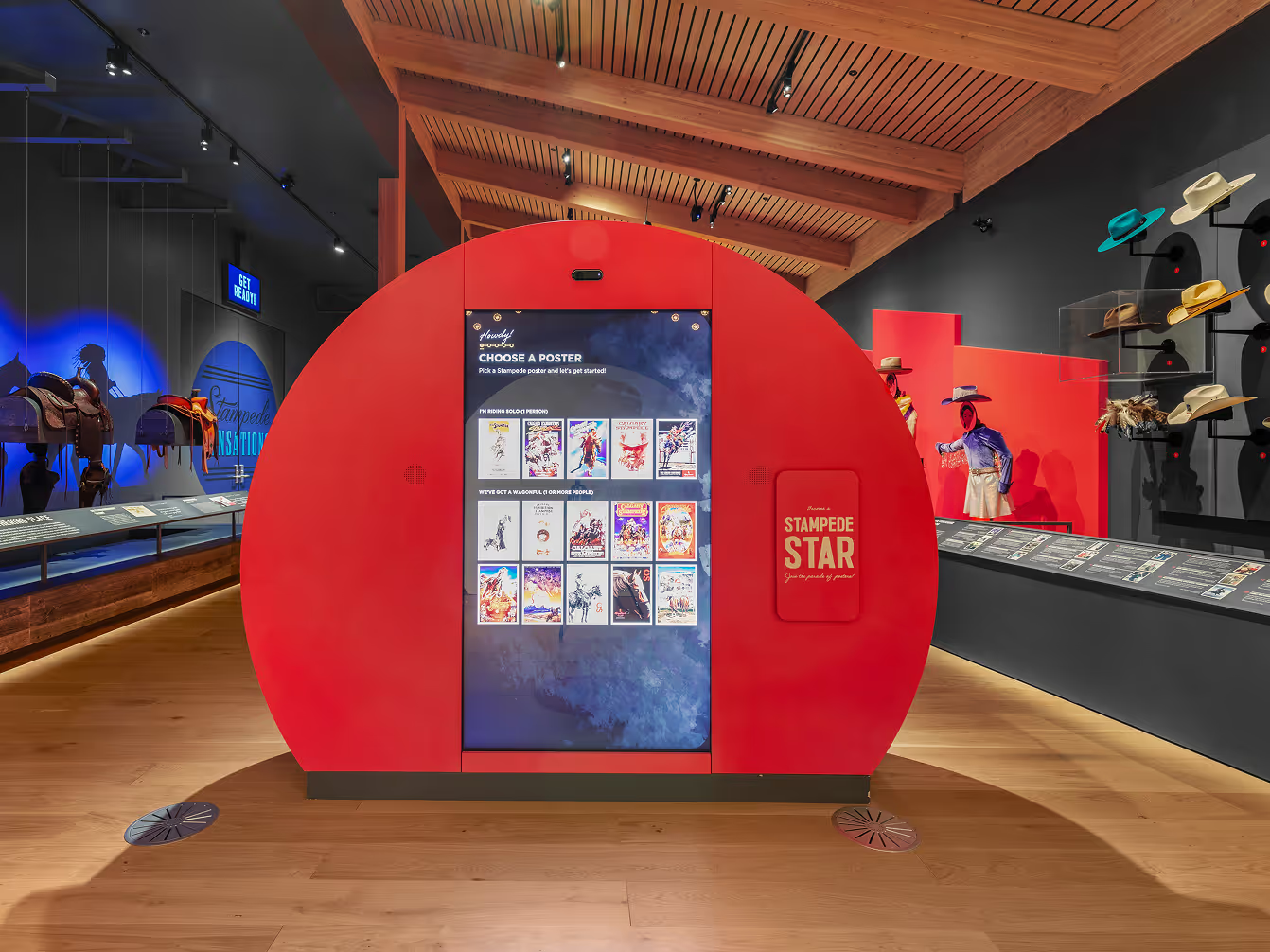
At the Calgary Stampede’s Sam Centre, we built the display housing an AR photo booth where visitors could insert themselves into historic Stampede posters. Guests chose a poster theme, posed with a timed countdown, and downloaded a customized image complete with digital stickers via QR code. This kind of interactive storytelling not only personalizes the experience, it encourages social sharing and post-visit engagement.
touch screens
Touch screen technology has become widespread, but in a museum or interpretive setting, it's more than just digital signage. Touch screens allow visitors to control what they explore with uncovering extra details, triggering animations, or navigating timelines. They can also support accessibility features and language options. Well-designed touch interfaces help people explore content at their own pace while staying engaged.
immersive multimedia experiences
Video storytelling can become even more powerful when paired with light, sound, and physical effects. Projection mapping and 4D cinema experiences can turn walls, floors, and ceilings into dynamic canvases for motion design.
real world example
The Stampede Sensations experience at the Calgary Stampede Sam Centre features a rustic, barn board horseshoe structure integrated with lighting, sound transducers, and floor vibrations. Visitors are fully immersed in the roar of the rodeo, feeling the thundering hooves and cheering crowds. This kind of sensory-rich storytelling makes information experiential, not just visual.
sensor triggers
Motion sensors, RFID tags, and pressure-activated panels are changing how exhibits respond to movement and proximity. A simple floor decal can launch audio narration, while RFID readers trigger dynamic visual content as a visitor approaches.
real world example
At YouthLink Calgary Police Interpretive Centre, we used RFID to activate a forensic display. Fake maggots appear to move in sync with a visitor’s presence (yuck!), capturing attention and sparking curiosity in an age-appropriate way.
final thoughts
Today’s museums are not just quiet halls of observation. They’re immersive environments for hands-on learning and creative storytelling. Digital technology plays a critical role in making exhibits more engaging, personalized, and memorable.
Whether you’re planning a fully interactive interpretive centre or looking to incorporate digital enhancements into an existing space, the goal remains the same: to inspire discovery and learning through meaningful experiences.
Sign up for more insights like this!

Let’s talk ideas