The Essential Guide to High Quality Exhibit Graphics
introduction
Your graphics have one job: grab attention and hold it. Whether you have a portable display or modular exhibit, your printed graphics do the heavy lifting when it comes to first impressions. But not all graphics are created equal, and going cheap can cost you more in the long run.
This guide breaks down the key terminology, materials, and processes you need to know before investing in your next display.
why graphics quality matters for your exhibit
When we talk about quality, it doesn't just mean looking good. The materials, lamination, ink quality, and hardware impacts the overall look of your display. Not only does it affect the overall look of your space, but it impacts your brand credibility, booth lifespan, and ROI. Going with a cheap online option might save money upfront, but it could also mean faded colours, rips, kinks, poor image quality, and warped panels before the end of your first season.
key terms to know for graphics
Understanding these qualities will help you compare quality, quotes and avoid surprise failures.
shadowing
When booth lighting reveals shadows through your graphic, often from hardware behind it. A proper light-blocking laminate with the right thickness solves this.
ripping and tearing
Graphics printed on paper or weak vinyl tear easily. As an alternative, high-quality polyester with laminate prevents this, even with heavy use.
delaminating
When the top laminate peels away from the print, it's caused by incompatible materials or poor technique. Research your supplier’s lamination materials, process, and warranty.
gloss
Glossy finishes can reflect harsh trade show lighting, making your message hard to read. Opt for matte or satin laminates to avoid glare.
curling
Banner graphics that curl at the edges distort your message. It usually means cheap material or poor lamination. Ask to see real-world samples.
kinking
Creases that don’t smooth out happen when graphics are folded or mishandled. Better materials and stronger face laminates help prevent this.
the print process matters
It’s not just what gets printed, it’s how it’s printed.
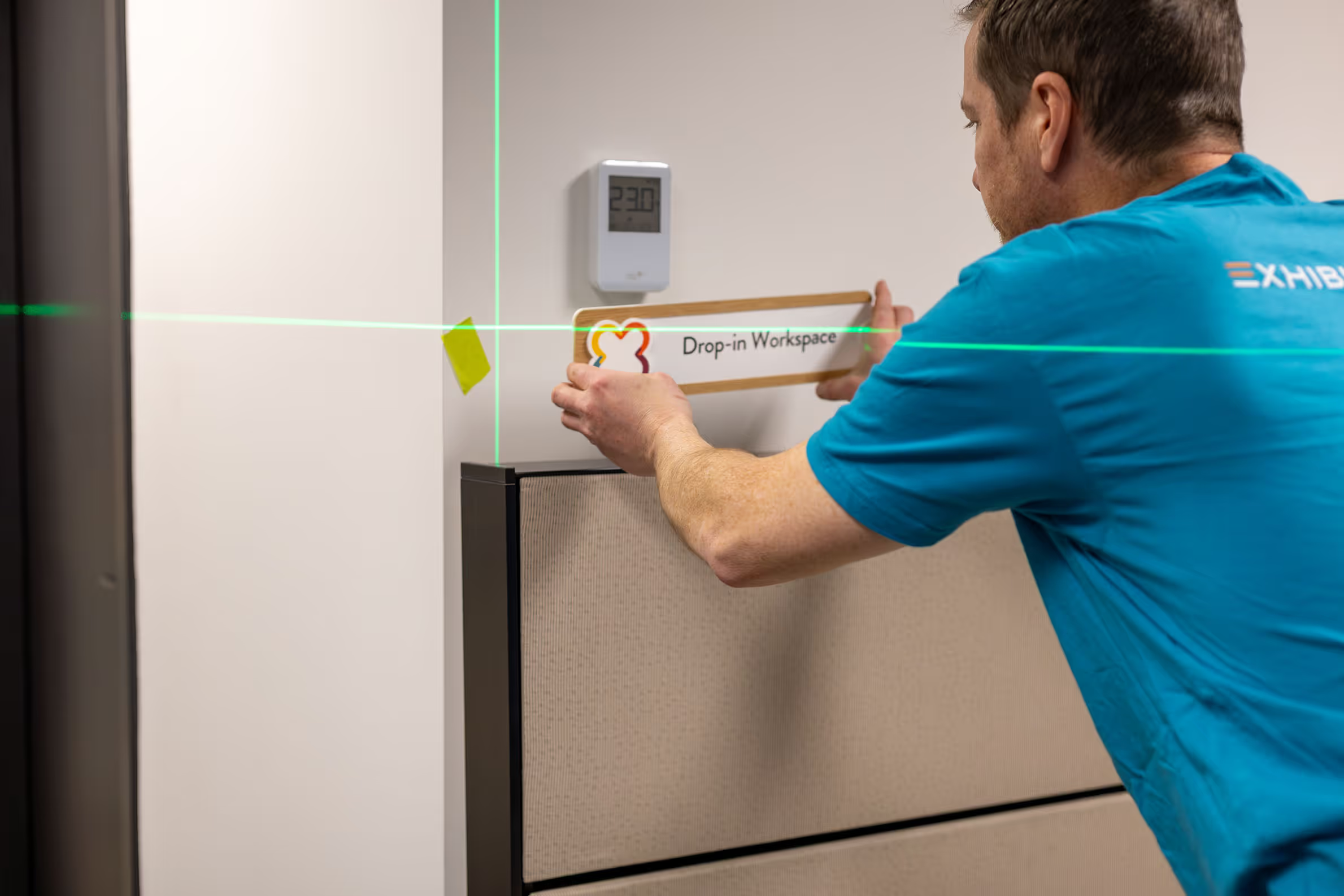
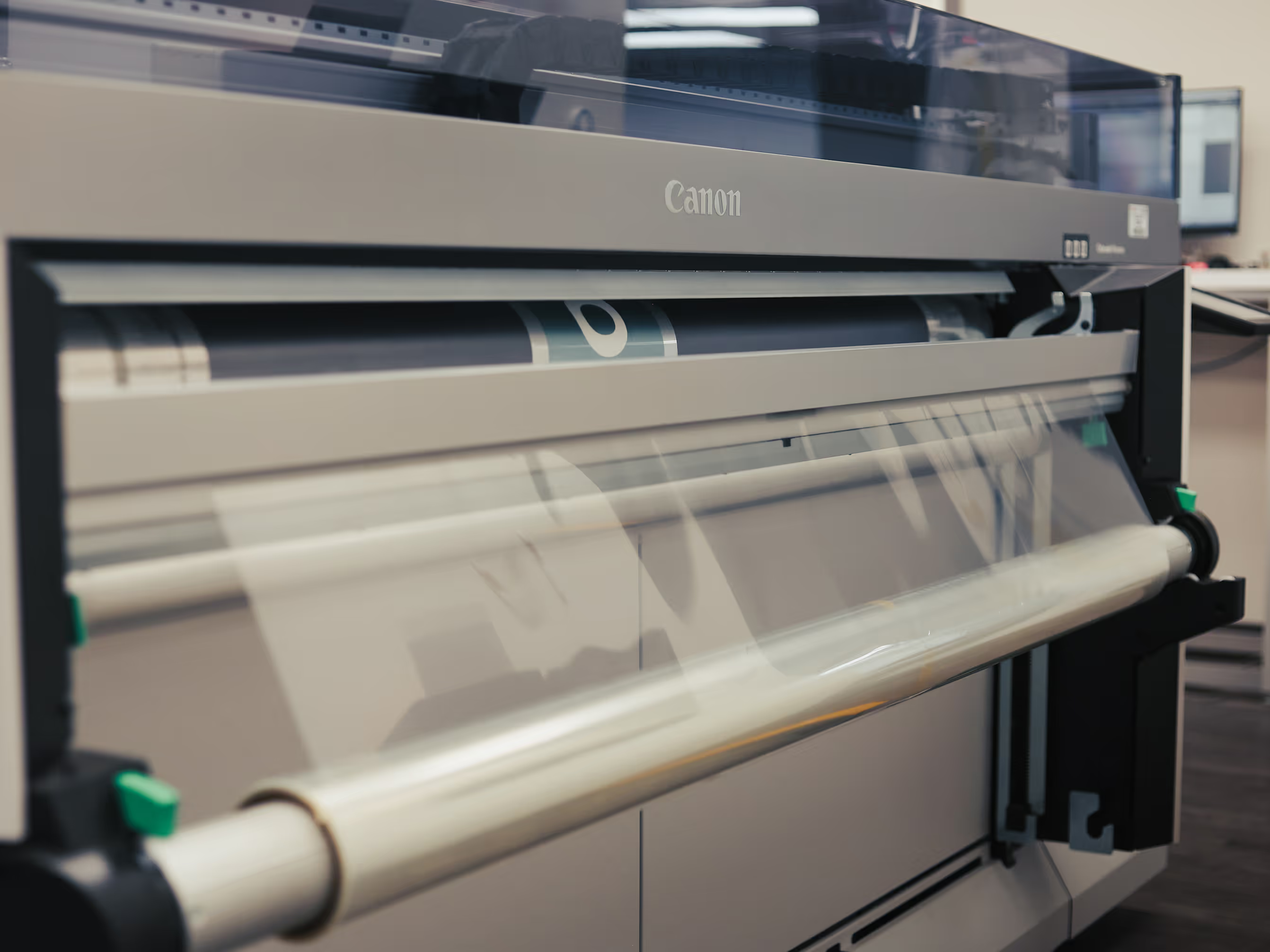
- Pre-print review: behind great graphics is a great print technician. They review every file for colour accuracy, resolution, and consistency. They provide proofs and make sure everything is perfect before it goes to production.
- Environmental controls: temperature and humidity can impact ink adhesion and laminate success. A print department ensures a controlled environment is maintained for optimal results.
- Material testing: the production company you work with should continuously be testing combinations of substrates, laminates, and profiles to guarantee longevity.
- Colour matching: if you're printing multiple different projects or reprints, the printer you work with should archive your colour specs and test swatches to ensure new graphics match the old ones.
what qualities to look for with exhibit graphics
for pop-up displays
- Avoid shadowing from open-back frames.
- Check for kinking in manually rolled graphics.
- Ask about delaminating protection.
for banner stands
- Curl-resistance on the banner edges are critical for clean lines.
- Paper prints are not your friend, go for laminated polyester.
- Low gloss for optimal readability.
- Thick enough of a material so that there's no shadowing.
for fabric displays
- Wrinkle resistance matters, ask about tension fabric options.
- Look for a blackout lining to block frame shadows.
- Dye-sublimation printing will eliminate any cracking, fading, or peeling.
for wall-mounted or rigid graphics
- Check laminate options to ensure peeling won't be an issue, especially for high touch point displays.
- Ask about receiving a printed proof to examine the quality and colour accuracy.
- For trade show graphics, research material options so your graphics will stay rigid, lightweight, and simple to ship and install.
final thoughts
When you invest in quality graphics, you’re investing in years of brand presence, smoother setups, and peace of mind. A $100 banner that curls or tears after two uses isn’t a bargain, it’s a write-off.
By understanding the key qualities that set durable, professional graphics apart, you can make choices that support your brand and deliver long-term value.
Sign up for more insights like this!

Let’s talk ideas