modular vs. custom trade show exhibits: what's the difference?
introduction
When you're planning out your trade show display, one of the early decisions you'll need to make is choosing between a modular or custom exhibit. Both options can be visually impressive and aligned with your brand, but the structure behind each is very different.
Understanding the difference helps you choose the right approach for your goals, budget, and schedule.
modular exhibit frames: scalable, efficient, and reusable
Modular exhibits are built using pre-engineered aluminum extrusion hardware that can be reconfigured to suit different booth sizes and layouts. Think of it like a high-performance building set that is easy to transport, update, and made for flexibility.
Here at Exhibit Studio, we work primarily with two modular extrusion systems.
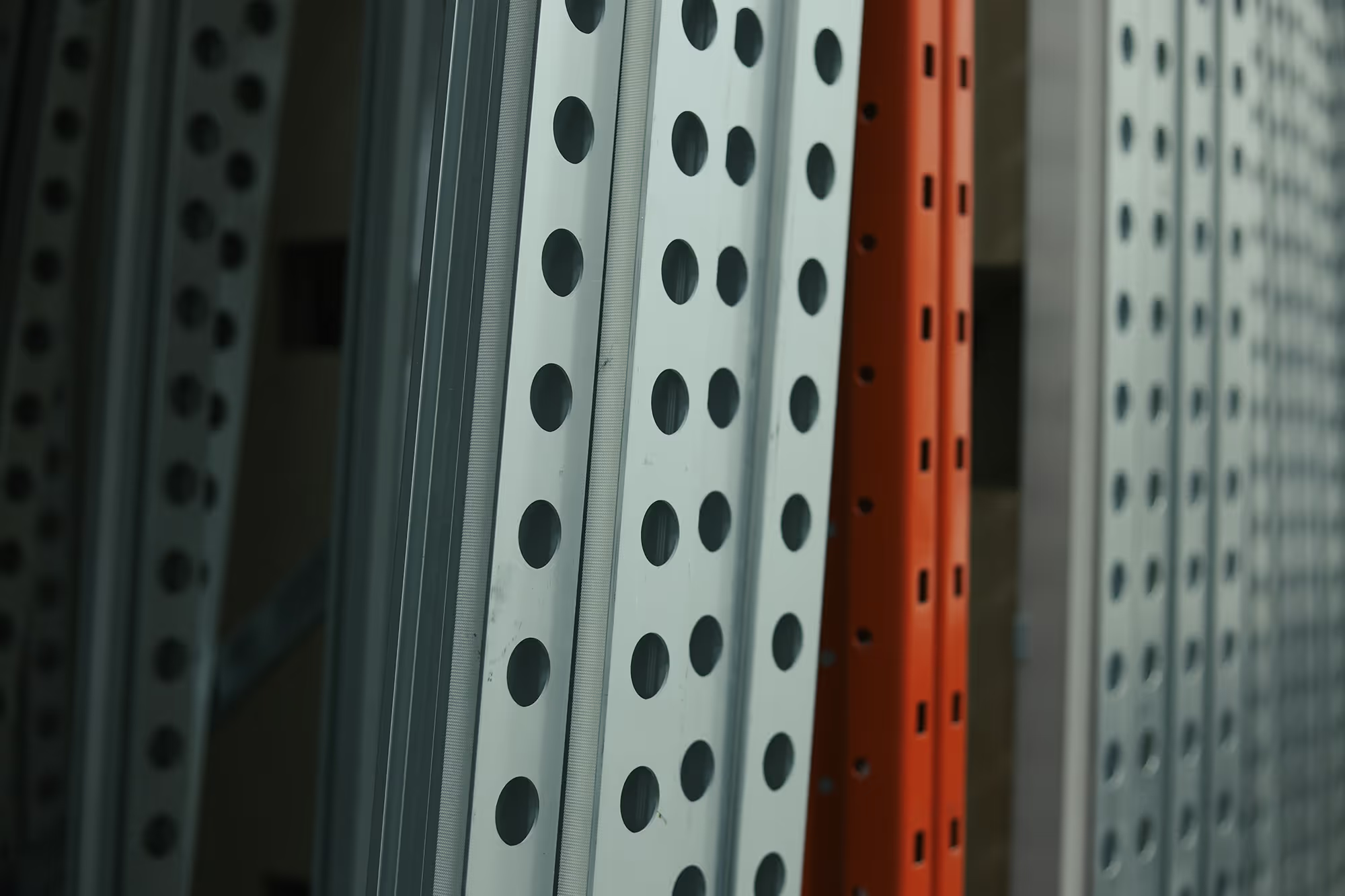
beMatrix
- Lightweight aluminum frames in standard sizes
- Quick setup and teardown with minimal visible hardware
- Compatible with fabric SEG (silicone edge graphics) or Velcro-applied panels
- Supports backing for vibrant, seamless visuals
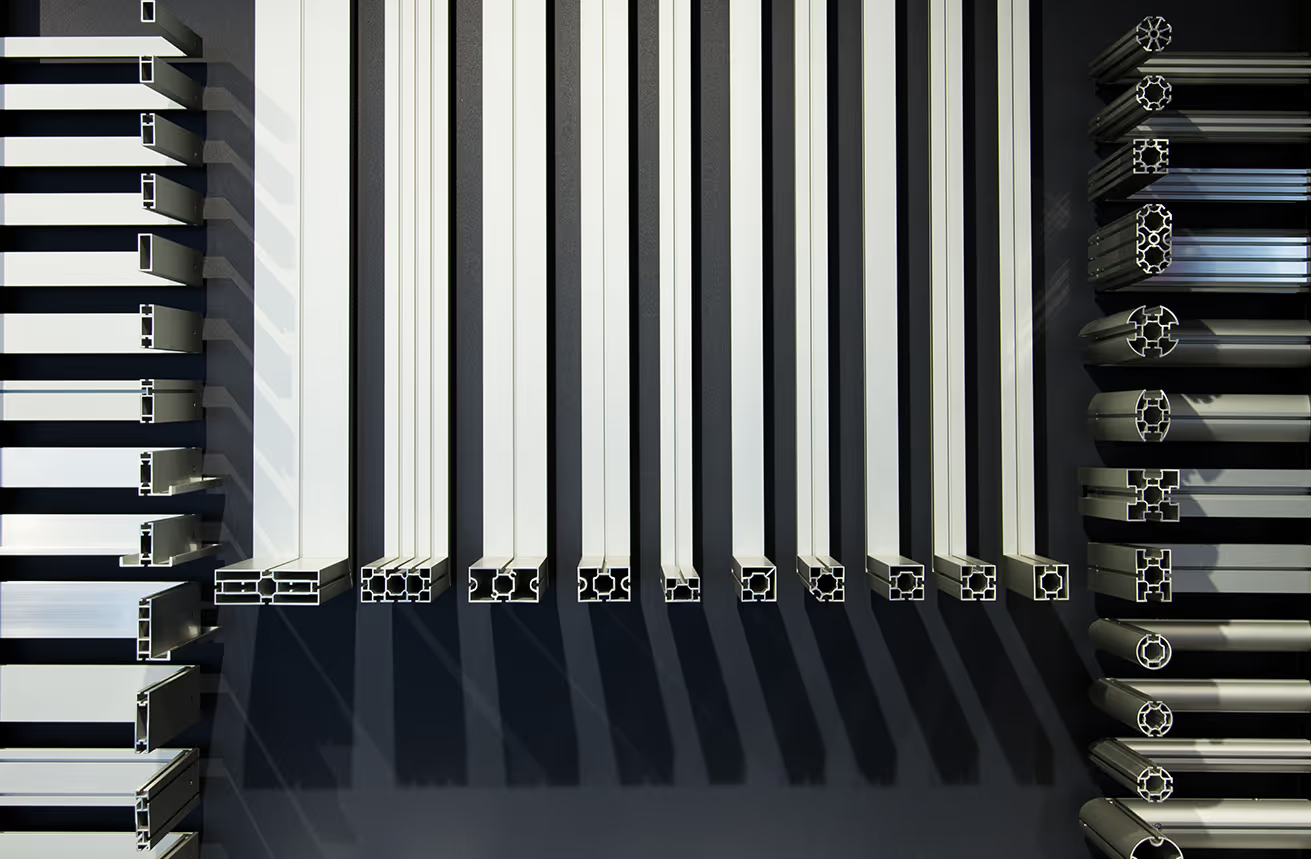
octanorm
- Versatile extrusion pieces with more confirguration options
- Accomodates rigid panels, fabric graphics, and integrated lighting
- Slightly more visible hardware than beMatrix, but highly adaptabe
Modular exhibits are ideal if you attend multiple trade shows throughout the year, need to adapt your layout, or want an efficient display solution that looks clean and professional.
custom exhibit frames: built for unique impact
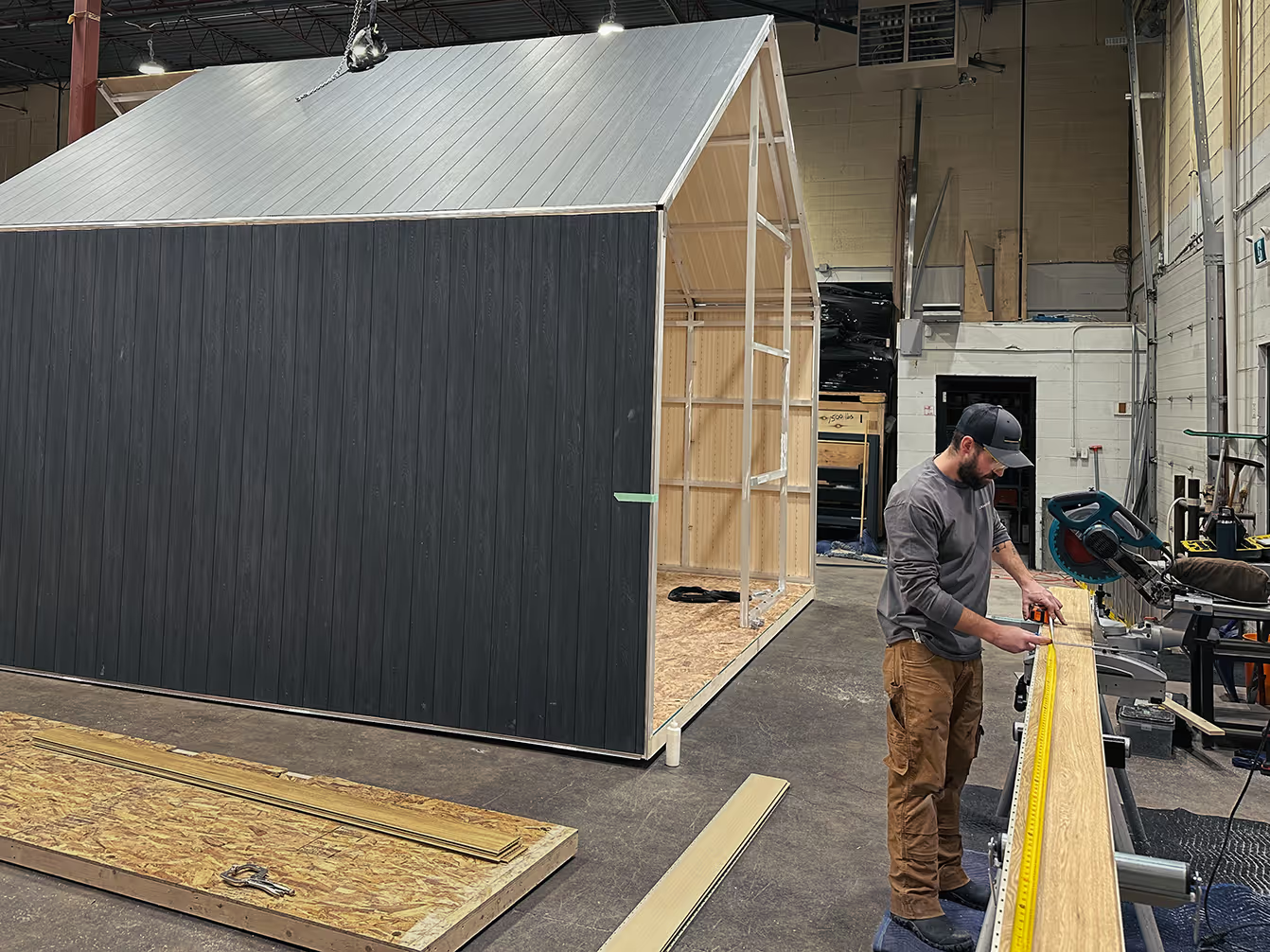
Custom exhibits are designed and fabricated from scratch, without relying on pre-set aluminum systems. This allows for even greater creative freedom where every wall, canopy, or fixture can be built to match your brand and event strategy.
common materials in custom displays
- Wood framing for structural walls, integrated counters, or canopies
- Metal for structural support and design detailing
- Acrylics, laminates, and specialty finishes that add polish, texture, and dimension
- Custom millwork used for retail-style displays, product demo spaces, and branded storage
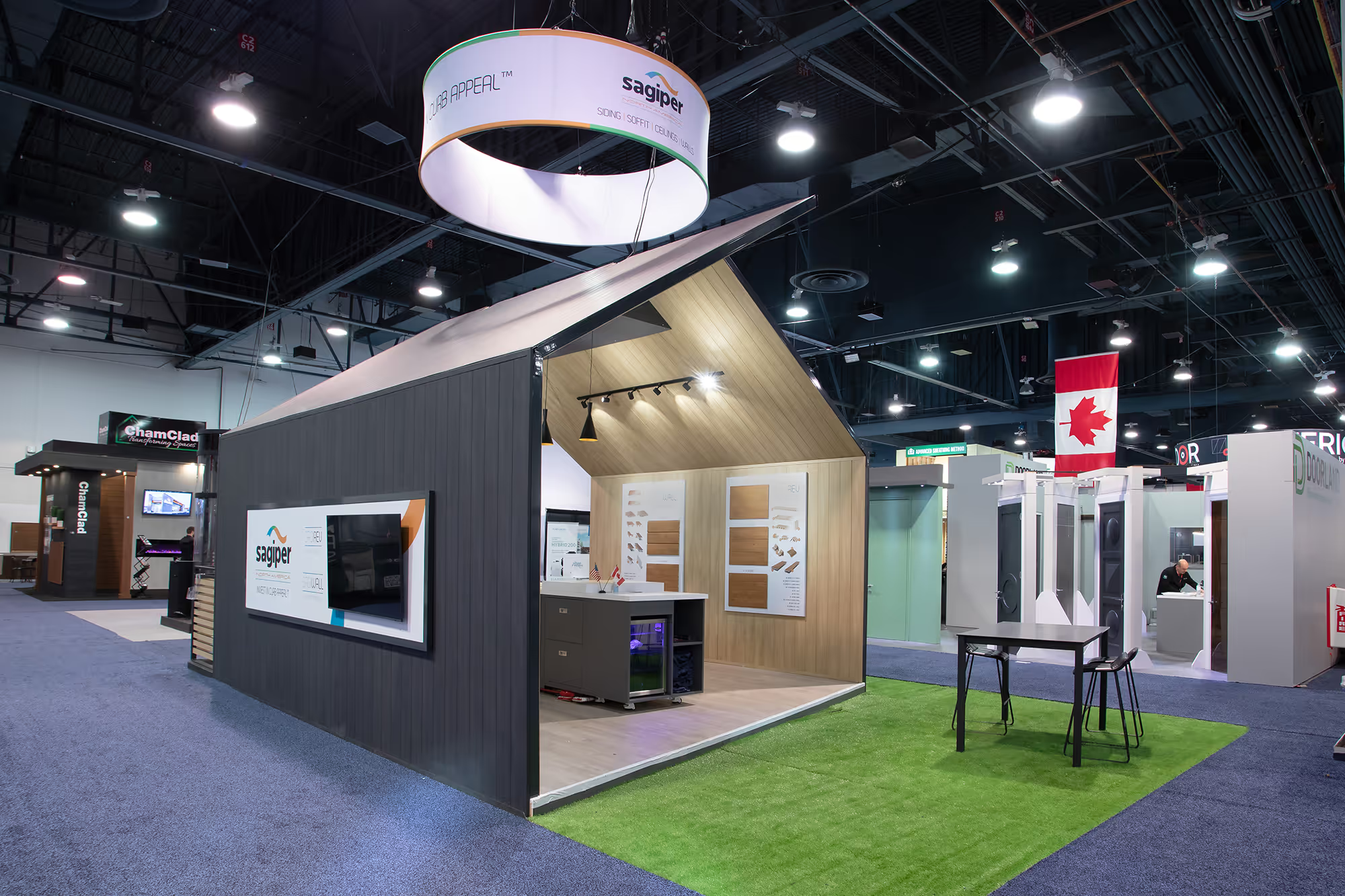
A custom exhibit gives you more room for architectural creativity. Ideal if your trade show strategy involves immersive environments, high-end finishes, or large product showcases.
how modular and custom display graphics differ
Great graphics are essential for both modular and custom displays, but the materials and mounting methods vary.
modular exhibit graphics
- Fabric SEG graphics stretch across frames for a clean, seamless look
- Rigid Graphics panels mount to the frame with materials like PVC or foam core
- Backlit options are compatible with both fabric and rigid substrates
Modular graphics are designed to be interchangeable, so you can update your messaging without changing the frame. This is ideal for brands with evolving campaigns, or differing target audiences at each show.
custom exhibit graphics
- Direct-print application on substrates like wood, acrylic, or metal
- Dimensional signage and 3D elements with cut vinyl, layered materials, or routed shapes
- Non-standard shapes can be designed to integrate with custom structures
Custom graphics give you complete control over shapes, textures, colours, and layout. However, they also require more production time and are not always reusable between shows.
which one is right for you?
Choosing between a modular or custom trade show exhibit comes down to your particular needs.
go custom if you:
- Need a standout or atypical design
- Exhibit at fewer, high-profile events
- Want a fully branded experience with integrated tech or product demos
- Have a fixed layout and dedicated storage for your display
go modular if you:
- Exhibit frequently, and in different booth sizes
- Want a lighter display that's straightforward to ship and reconfigure
- Need flexibility to update graphics and messaging regularly
- Prefer a more cost-effective and sustainable long-term solution
or try a hybrid approach
Not sure if you need to go fully custom? Many clients opt for a hybrid exhibit. This means using modular frames and hardware with custom-built elements like branded counters, lighting features, product displays, or anything else you can envision. This approach gives you the adaptability of modular systems with the polish of custom fabrication.
final thoughts
Whether you choose modular, custom, or a hybrid approach to your trade show exhibit, your display should support your marketing goals and reflect your unique brand with clarity and impact. If you're not sure which direction is right for your team, we're here to help.
We'll walk you through the pros, cons, and creative possibilities — so that you can make a smart, confident decision for your next trade show exhibit.
Sign up for more insights like this!

Let’s talk ideas