custom exhibit crates: what you need to know to ship smarter
introduction
Crates might not be the flashiest part of your exhibit, but they’re one of the most important. If you’re investing in a custom or modular display, a well-built shipping crate is essential for protecting your investment, and for keeping your logistics streamlined and cost-effective.
Let’s get into what goes into a crate, why it matters, and how a smart crate strategy can actually save you time and money.
why crates matter
Portable displays often come with built-in transportation cases. But modular and custom displays are an entirely different story, especially when it comes to trade shows. These booths use solid materials aluminum frames, specialized foam graphics panels, and other rigid material, which means:
- They don't rollup
- They don't fit in off-the-shelf containers
- They require custom-built crates to protect and organize every component
what goes into a great trade show crate?
crate sizing and layout
We aim to keep crates under 4-feet-wide and 8-feet-long to avoid excess shipping and handling charges. These standard dimensions make it easy to ship side-by-side and reduce the risk of damage during transit.
But each crate is unique, and here's what we take into account:
- Your longest hardware pieces
- Panel materials
- Accessories like counters, walls, or monitors
- Space-saving layout using 3D design software (like Rhino or SolidWorks)
Every piece matters and is carefully arranged for optimal shipping and organization for installation crews.
crate fabrication and construction
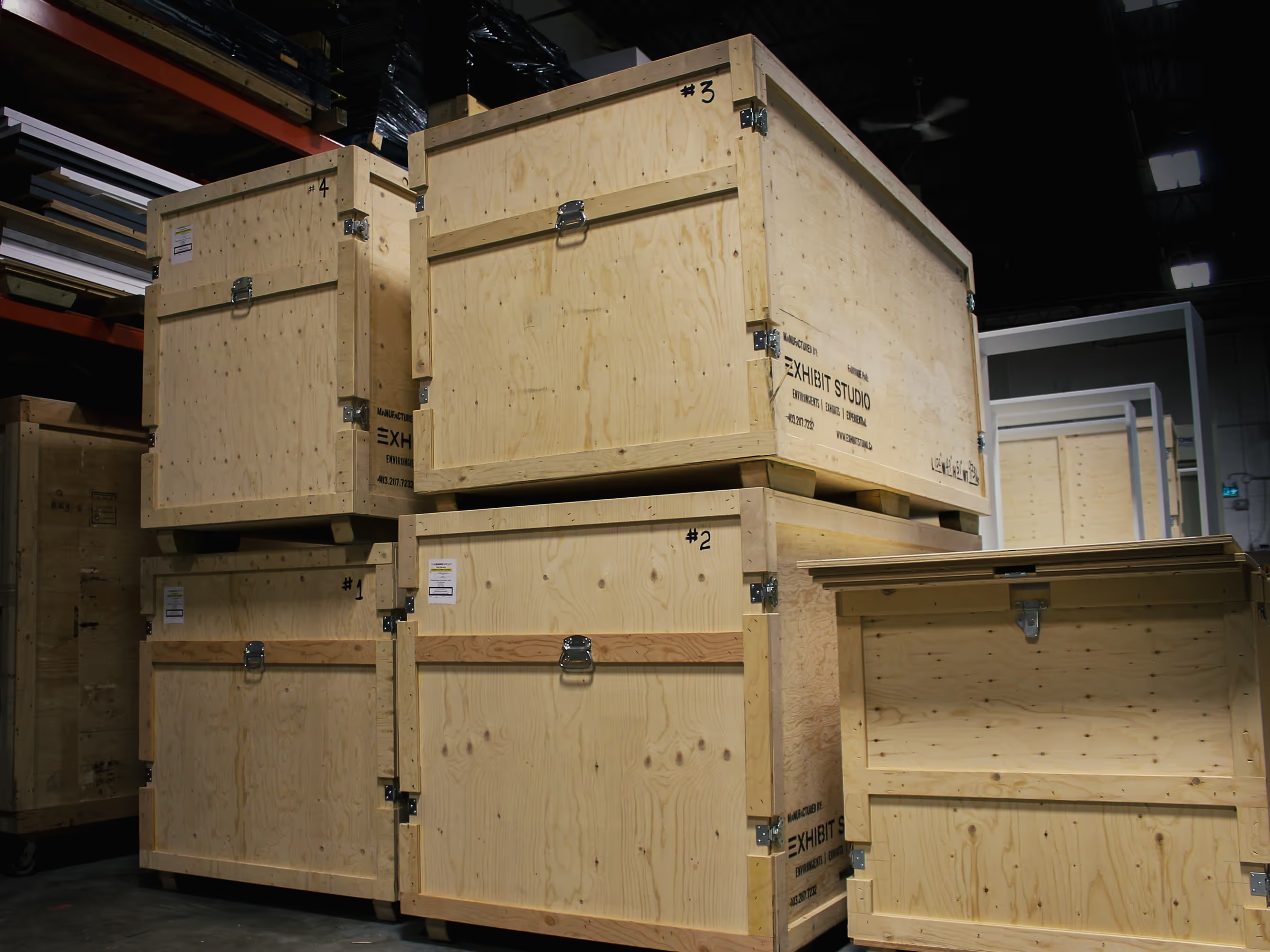
All our crates are built from scratch using durable plywood and feature:
- An internal lip to prevent trim damage during loading
- Bottom-mounted wooden feet (for forklifts)
- Casters (for crates under 37" to allow rolling instead of lifting)
- Reinforced seams and solid joints for longevity
This attention to detail ensures less movement inside, which avoids damage during transit.
interior protection and organization
We don't just toss everything inside your crate, each is thoughtfully designed for purposeful access and protection.
- Custom compartments for frames, panels and hardware
- Vertical storage to avoid weight damage
- Felt padding or carpet liners for fragile pieces
- Layered spacers to prevent shifting or scratches
- Protective inserts for high-value items or equipment like monitors
Bonus: your installers will thank you — organized crates make setup and teardown faster.
why this matters to you
Here's what a well-designed crate really does:
- Reduces shipping and storage costs
- Protects your investment
- Improves install/dismantle efficiency
- Makes your display last longer
- Keeps you on budget and on time
Whether you're exhibiting once a year or very few weeks, crate design isn't optional — it's an important strategy that protects your investment.
Sign up for more insights like this!

Let’s talk ideas