timeline planning: the key to effective exhibit design
introduction
No matter the project, timing plays a big role in achieving the best possible result. While it’s always possible to meet tight deadlines, building in extra time allows for smoother collaboration, creative flexibility, and fewer surprises along the way. Understanding the full design and production process — and how your timeline shapes it — helps ensure everything comes together seamlessly from concept to completion.
why design timelines matter
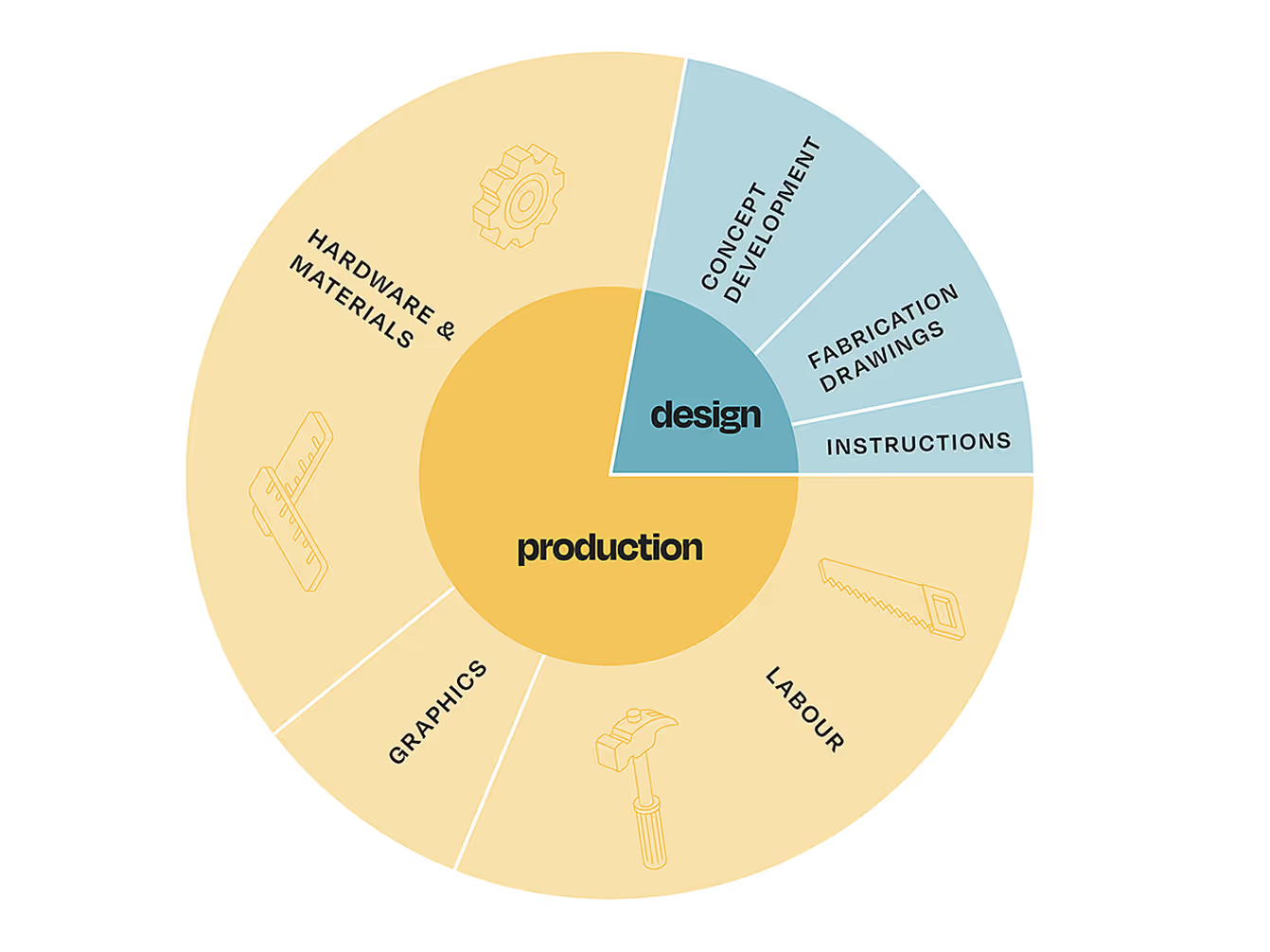
Most display project timelines hinge on the design stage. When that phase runs smoothly, it sets the tone for everything that follows. Clear direction and steady communication early on help keep production, printing, and logistics on track from start to finish. That’s why we focus on setting a realistic timeline from day one. The more clarity and lead time built into the process, the smoother the experience (and the stronger the final result).
what's a realistic timeline?
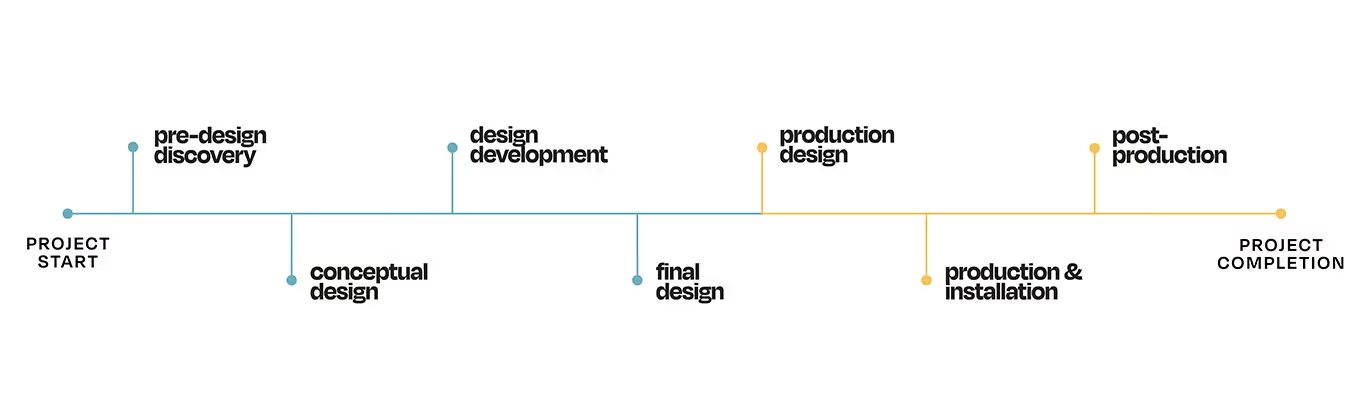
Whether you’re preparing for a trade show, museum exhibit, or branded installation, every project benefits from thoughtful planning. The design process often involves multiple stages of collaboration and approval, so starting early helps ensure everything moves smoothly from concept to completion.
As a general guideline, we recommend beginning your design phase at least three to six months before your target installation or event. This allows time to:
- Gather and organize brand assets.
- Work through initial layout concepts.
- Collect feedback and make revisions.
- Get final approval from your team.
- Produce printed graphics and/or fabricated display elements.
- Arrange shipping and on-site services, like installation.
how to avoid preventable errors
A thoughtful design phase allows for collaboration, creativity, and attention to detail. Building in enough time for feedback and proofing ensures your graphics are polished, accurate, and perfectly aligned with your brand.
Allowing a few rounds of review and refinement helps everyone feel confident in the final product (and often leads to new ideas that elevate the overall design). Even on a tight schedule, a well-paced process sets the stage for your best possible result.
factor in logistics
As part of your overall project timeline, consider shipping and delivery to on-site installation requirements. Whether your project is headed to a trade show, museum, or corporate space, factors like customs clearance, venue access, and regional regulations can all affect timing.
Sharing these details early helps us plan efficiently, coordinate logistics, and anticipate potential challenges. The more we know upfront about your deadlines and installation needs, the more flexible and seamless the process will be.
final thoughts
Clear expectations lead to better results. When these are defined early, each phase — from design to production to installation — is given the time it needs, the entire process runs more smoothly.
A realistic, well-planned timeline not only supports better results but also creates space for creativity and refinement along the way. With the right planning in place, you can focus on what truly matters: showcasing your brand, meeting your goals, and connecting with your audience through a polished, impactful display.
Sign up for more insights like this!

Let’s talk ideas