Trade Show Booth Layouts and Configurations: What to Know Before You Book
introduction
Linear? Peninsula? Split Island? If you're unsure about which booth space you should book for an upcoming trade show, we've got you covered. Understanding the types of booth spaces available — and how they impact your display design — is essential to making the most of your trade show investment.
This guide breaks down the most common types of trade show booth spaces based on North American standards, helping you choose the right layout for your goals, brand, and budget.
why booth type matters
Whether you're launching a new product or building brand visibility, the physical space you occupy affects sightlines, foot traffic, and engagement. Before you book, take time to research the venue’s floor plan and cross-reference it with the types of displays you're considering. Your booth layout should work in harmony with both your design and your strategic objectives.
types of trade show booths
linear booth
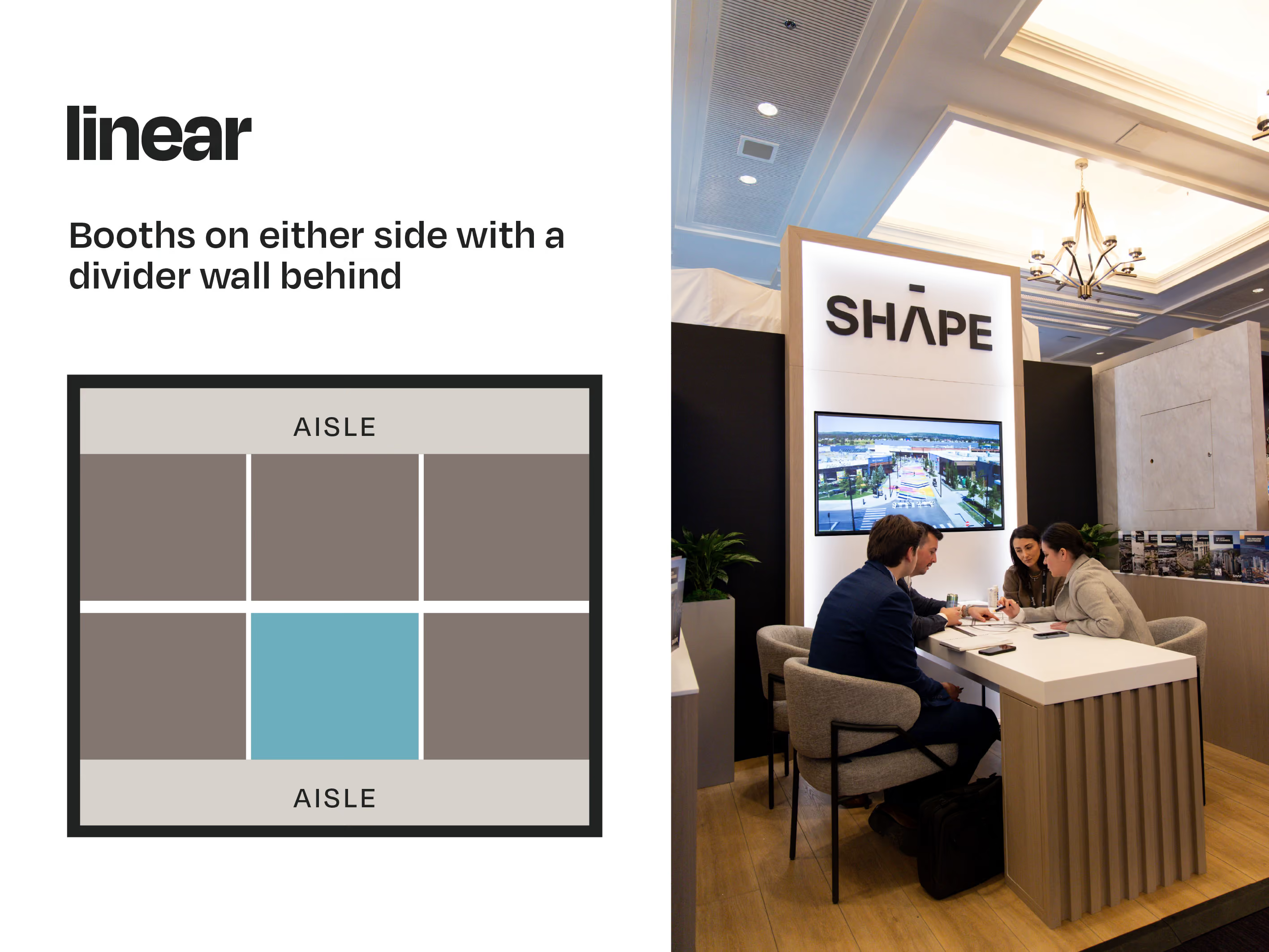
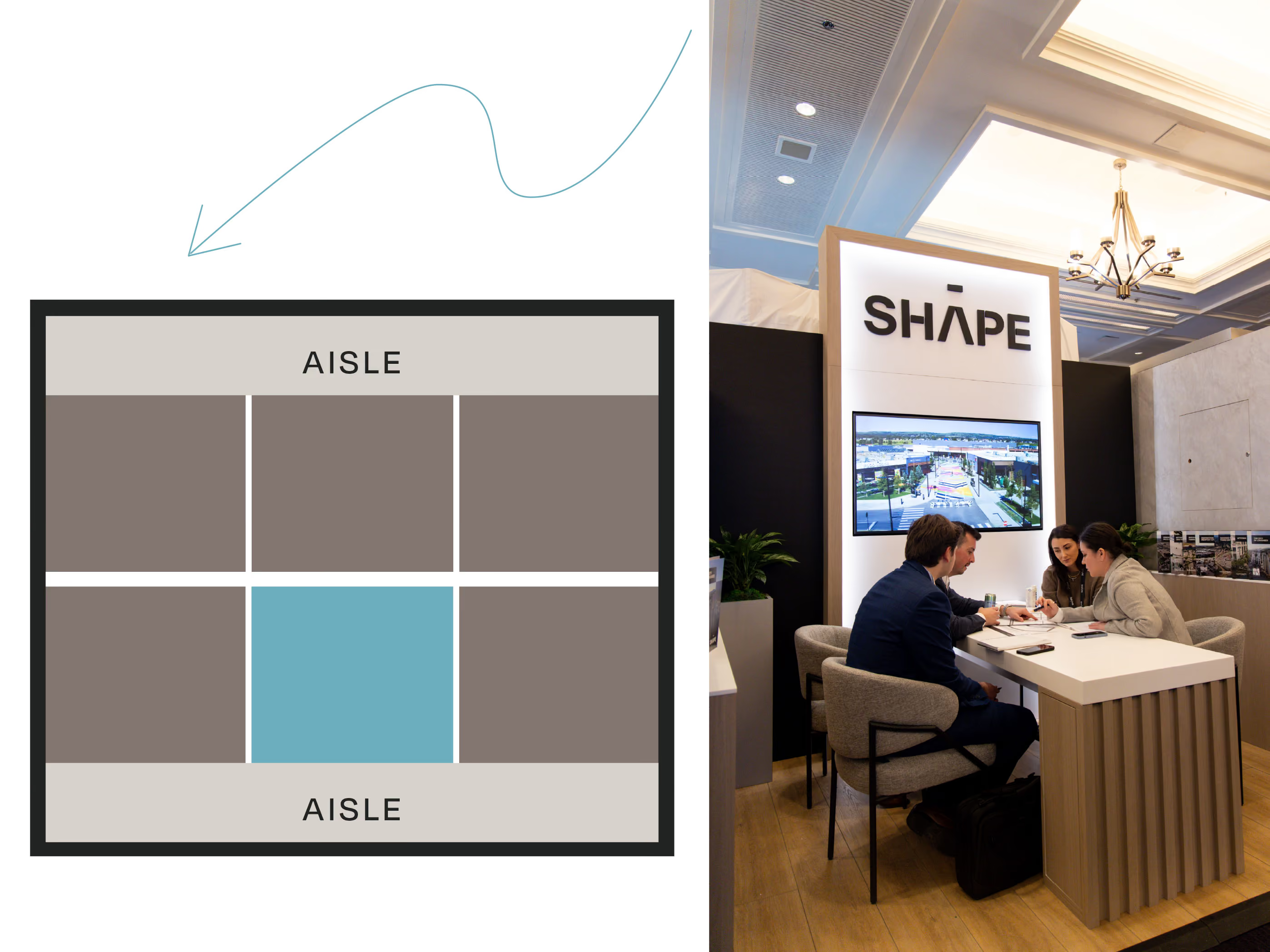
A linear (aka inline) booth is the most common layout, typically 10×10 feet, with the front of the space open to the aisle. You’ll have neighbours on both sides and behind you. The back wall can be up to 8 feet tall, but side walls can only be 4 feet high within the front 7 feet of your booth to keep sight lines clear. Linear booths are straightforward and one of the most cost-effective booth types.
corner booth
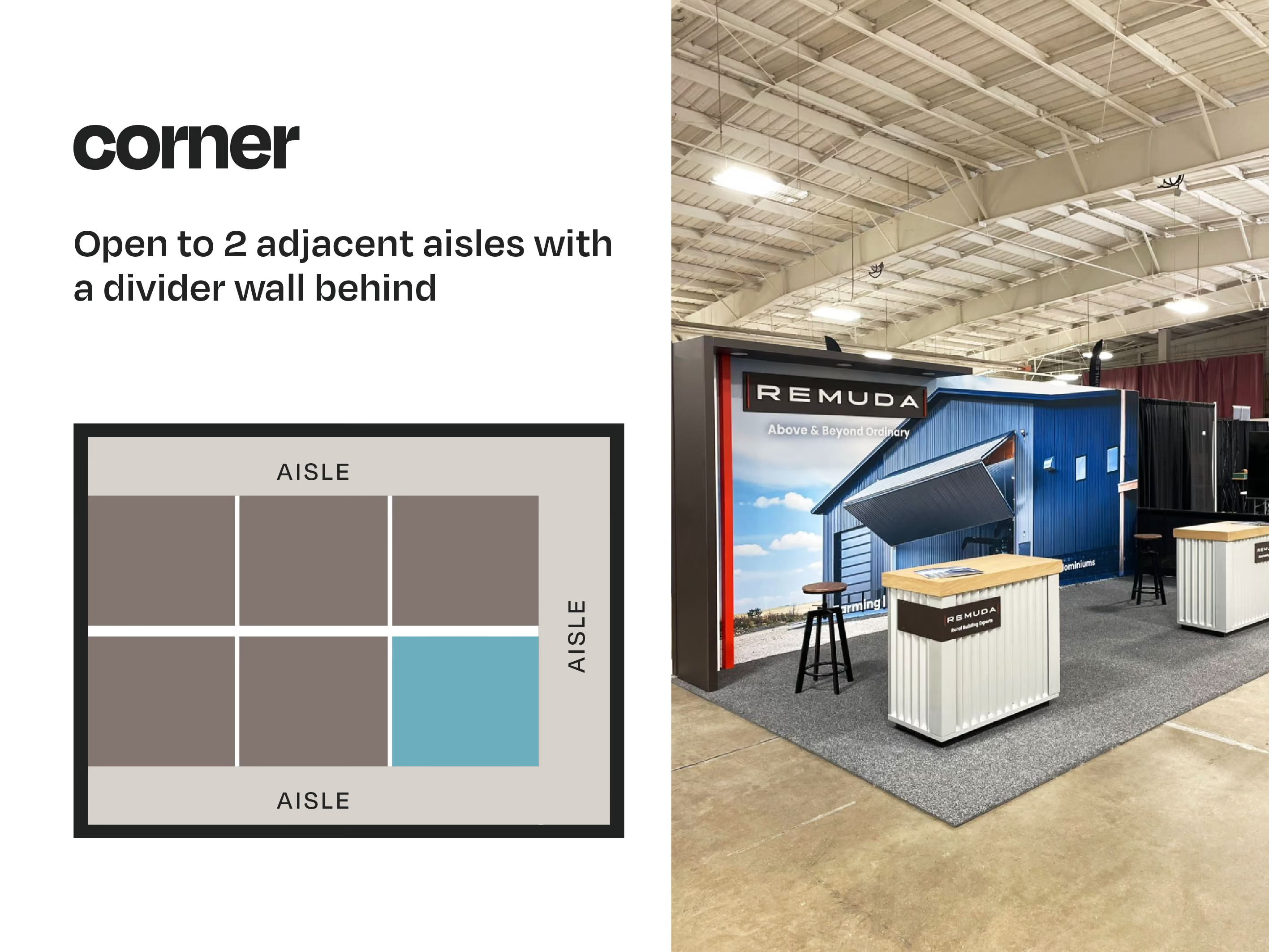
A corner booth offers the same size and height restrictions as a linear booth, but with two open sides to the aisle. This increases visibility and traffic flow; often justifying the slightly higher rental cost.
peninsula booth
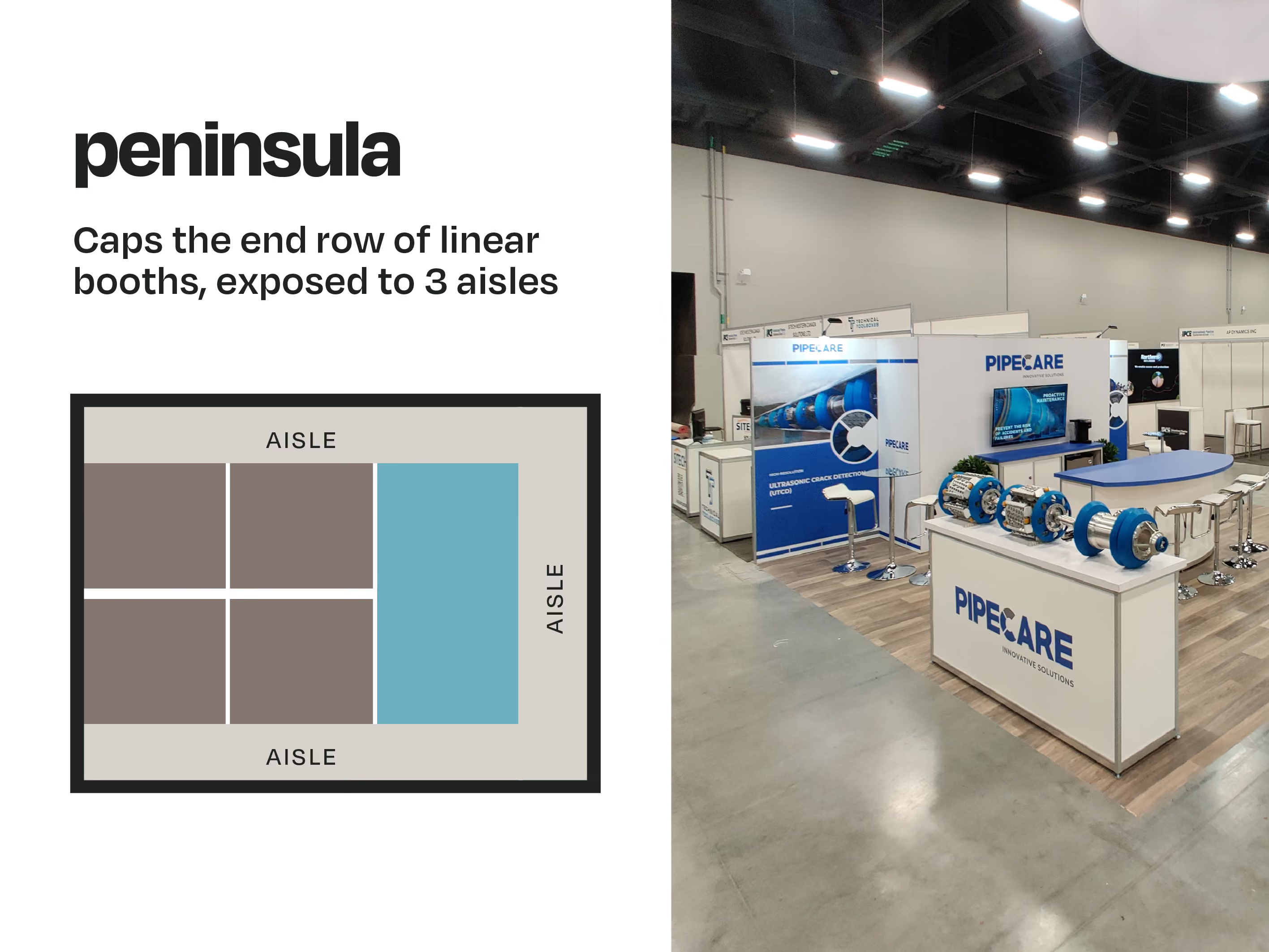
A peninsula booth has three open sides and backs onto a row of linear booths. These booths sizes are often 10x20, 15x20, or 20x20 in size. The back wall must still follow the 8-foot height restriction where it meets neighbouring booths, but there are workarounds:
island booth
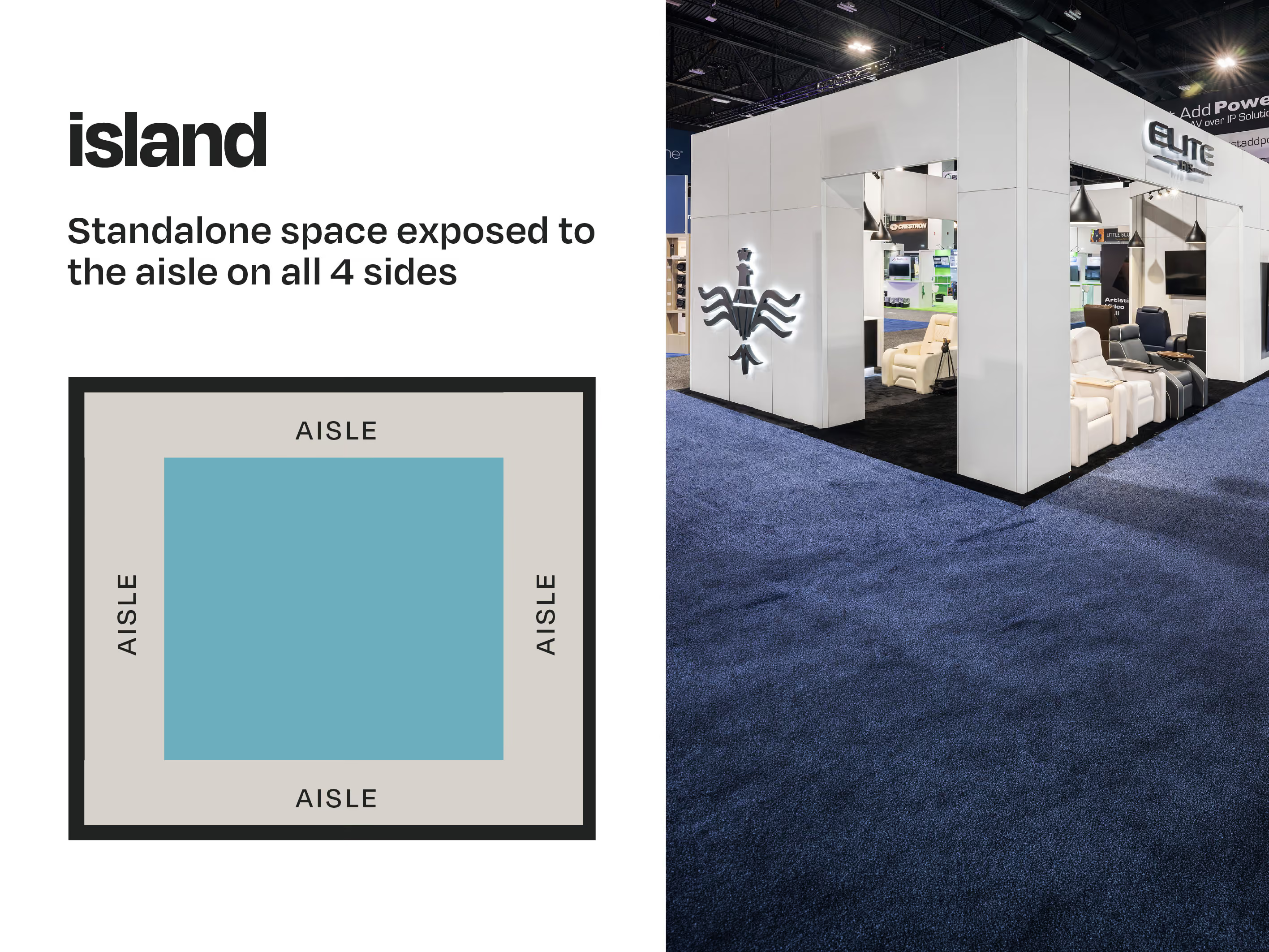
Typically Island booths are at least 20x20 feet, fully open on all four sides. These high-impact spaces offer maximum design freedom, but come with higher costs for space rental, shipping, and install.
split island booth
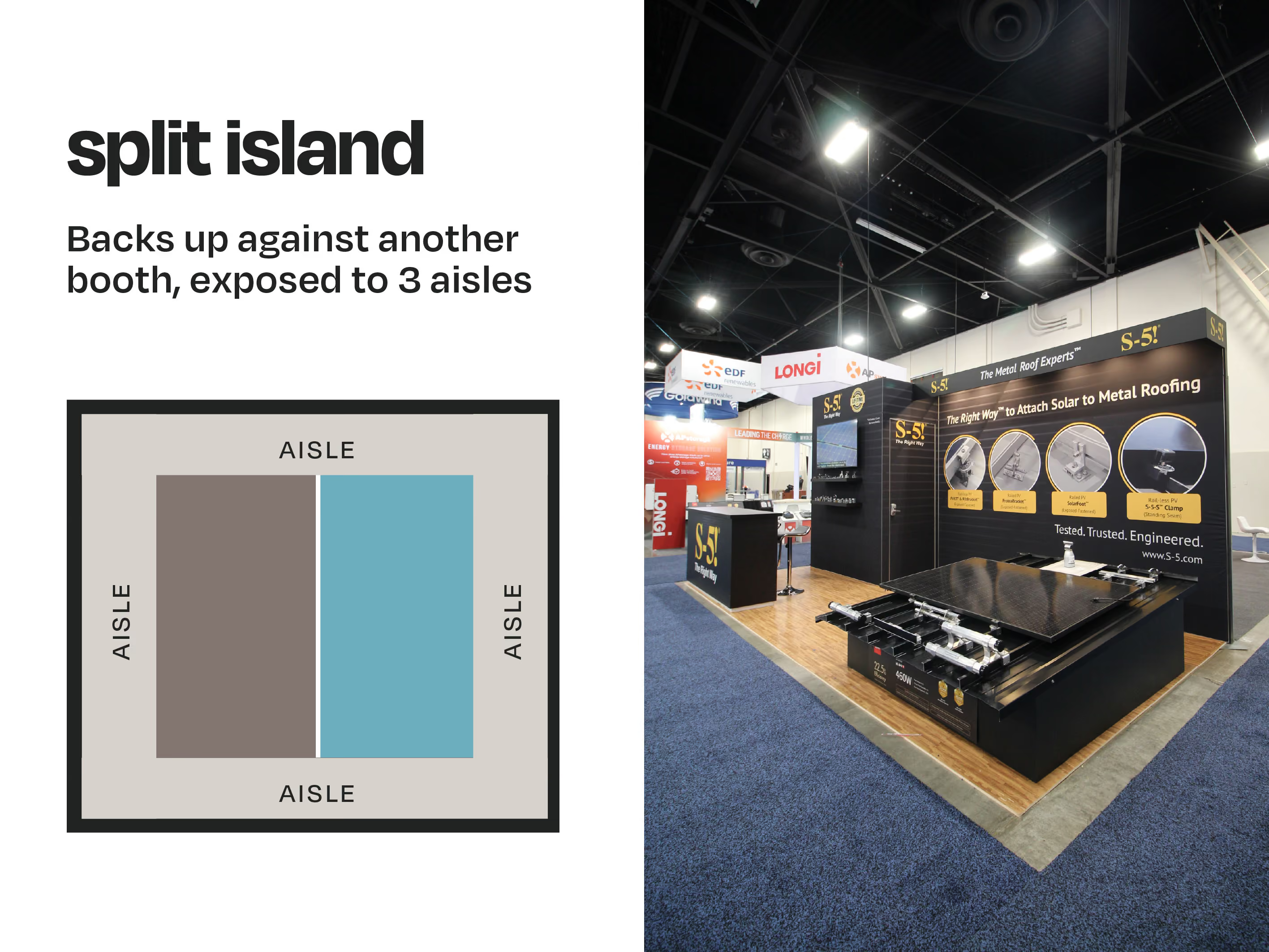
A split island booth consists of two peninsula booths that back onto each other, creating their own island. These spaces, often 20×20 or larger, allow higher back walls — up to 20 feet in many venues — without blocking other exhibitors. They’re ideal for large-scale exhibits that need towers, hanging signs, or additional structure.
perimeter booth
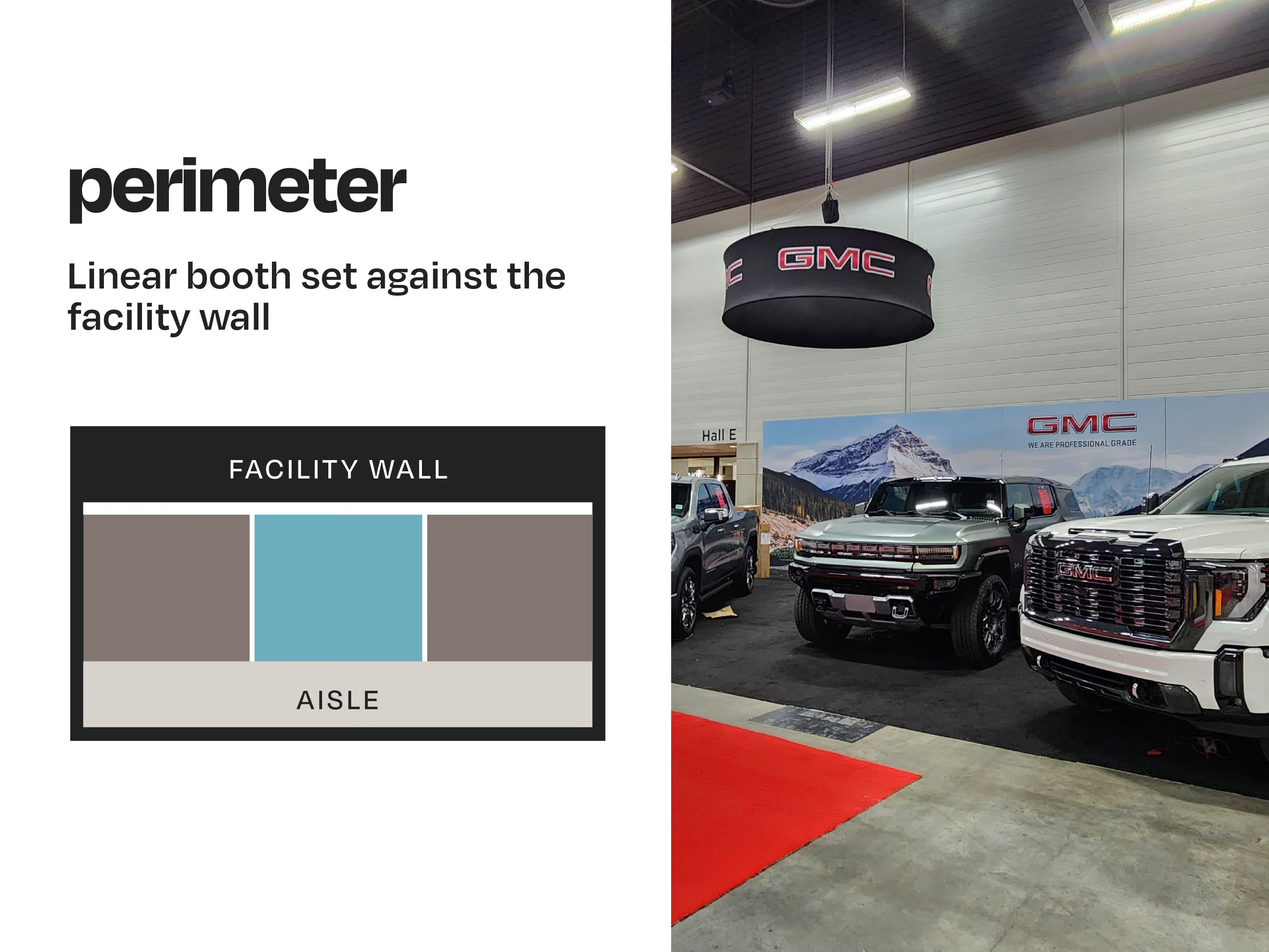
Located along the venue’s perimeter, this booth allows a taller back wall — up to 12 feet — because it backs onto a wall rather than another exhibitor. You get more visual presence from a distance but might sacrifice prime foot traffic.
other booth design considerations
When selecting a booth space, there’s more to think about than size and orientation:
- Hanging signs: Must be at least 7 feet off the ground and not extend more than 5 feet from the back wall.
- Extended headers: Any overhead canopy or structure connected to a front header panel must be under 9 ft tall and cover no more than 20% of the booth’s width.
- Accessibility: Include ramps for raised flooring, and ensure screens and interactive elements are at accessible heights.
- Fire and safety codes: Use certified fire-retardant materials and understand any restrictions at your venue.
- Venue-specific regulations: Look out for ceiling heights, fixed columns, electrical layouts, and entrances/exits that could impact your layout and traffic flow.
- Line-of-sight rule: Keep sidewalls low near the aisle to ensure visibility to neighbouring booths.
matching booth types to your display strategy
Choosing the right booth space isn’t just about cost, but also making sure your booth type supports your display design and overall marketing goals. For instance, a modular display can easily adapt from a 10x10 linear space to a 10x20 corner booth. A fully custom 20x20 build, however, may not scale down as easily if you secure a smaller space at a future show.
Think about your long-term exhibiting plans and whether you’ll need the flexibility to adjust your design for different booth configurations and rental spaces.
final thoughts
Choosing a trade show booth rental space is a strategic decision. Each configuration offers unique advantages and constraints that can influence visibility, traffic flow, and how effectively your display communicates your brand.
By understanding the strengths and limitations of each booth type, you can select a rental space that aligns with your goals, exhibit design, budget, and long-term exhibiting strategy.
Sign up for more insights like this!

Let’s talk ideas